Navigating the Impact of U.S. Tariffs on India’s Infrastructure and Industrial Sectors
Navigating the Impact of U.S. Tariffs on India’s Infrastructure and Industrial Sectors
August 2025 has seen a significant escalation in trade tensions, with the United States imposing a 50% tariff on Indian imports. This move has profound implications for India’s export-dependent industries, particularly infrastructure, construction equipment, spare parts, and industrial machinery. Understanding the sector-wise and state-wise impact is essential for businesses and investors alike.
Sector-Wise Impact
1. Infrastructure and Construction Equipment
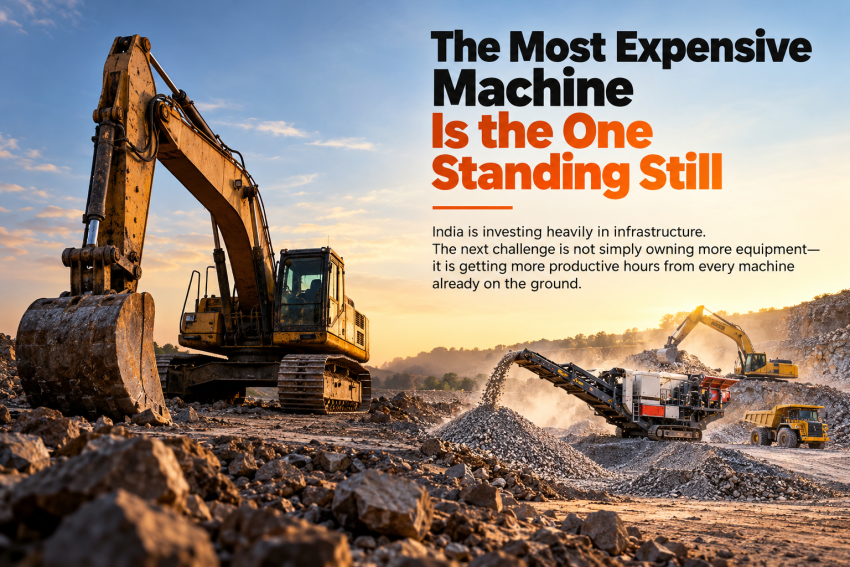
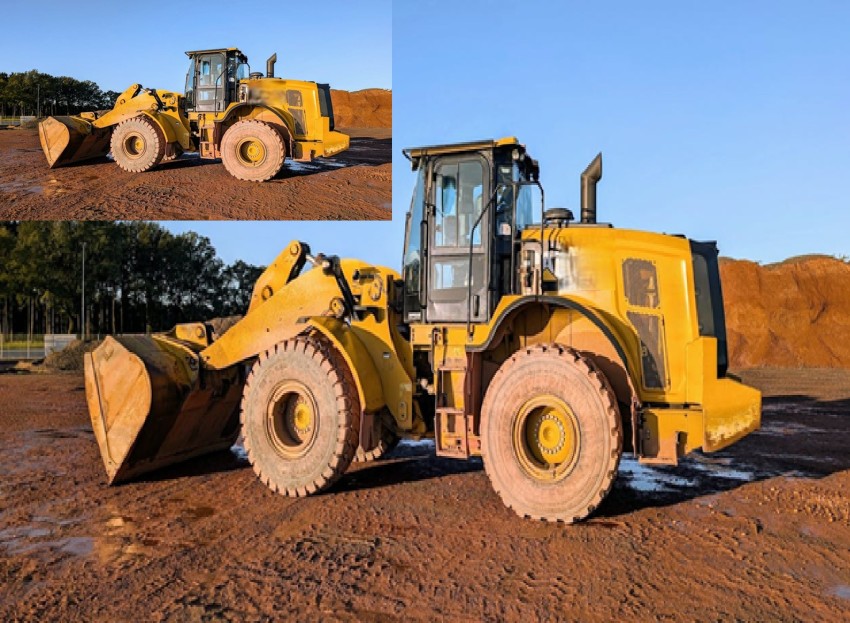
India’s construction and heavy machinery sectors face rising costs and disrupted supply chains. Exports of construction equipment to the U.S. are particularly affected, prompting manufacturers to explore alternative markets and leverage government incentives such as the Production Linked Incentive (PLI) scheme to strengthen domestic production.
2. Spare Parts and Industrial Equipment
The auto components sector is heavily impacted. The U.S. accounts for approximately $7 billion of India’s auto parts exports, with SMEs in Maharashtra and Tamil Nadu facing intense pressure. Many are now forced to absorb tariff costs, which squeezes profit margins.
3. Textile and Apparel
States like Gujarat and Maharashtra, major hubs for textile exports, have seen a sharp decline in U.S. orders. Cotton yarn purchases have reportedly dropped by 50%, compelling manufacturers to seek alternative markets despite challenges in meeting unique U.S. standards.
4. Gems and Jewelry
The 50% tariff has made Indian gems and jewelry more expensive in the U.S., affecting demand. Gujarat and Maharashtra are exploring diversification strategies to maintain global competitiveness.
5. Seafood (Shrimp Farming)
Andhra Pradesh, a key shrimp farming hub, faces a 20% drop in farm-gate prices due to paused orders from major U.S. retailers. Farmers are now considering alternative livelihoods such as fish farming or vegetable cultivation.
State-Wise Impact
Maharashtra: Auto components and textile SMEs face margin pressures; the state government is assessing export impacts and exploring regional incentives.
Gujarat: Gems and jewelry exporters are seeking market diversification to offset U.S. tariff effects.
Andhra Pradesh: Shrimp farmers confront a potential crisis due to declining demand from U.S. buyers.
Broader Economic Implications
Approximately 70% of India’s goods exports to the U.S., valued at $60.85 billion, are affected. While this represents a small fraction of GDP, cumulative impacts across sectors could reduce overall growth by 0.2–0.5%, with projections revised from 6.5% to around 6%.
Strategic Responses
Indian industries are adopting several strategies to mitigate tariff impacts:
-
Diversification of Export Markets – Focusing on the EU, Middle East, and Southeast Asia.
-
Enhancing Domestic Production – Investing in domestic manufacturing to meet local and international demand.
-
Government Support – Leveraging PLI schemes and other incentives to reduce export dependency.
While the immediate effects are significant, India’s diversified economy and strategic interventions could help mitigate long-term consequences. Continuous monitoring and adaptability will be crucial in navigating this evolving trade landscape.
Most Popular