Iran Conflict & India: The Energy Shock That Could Reshape Infrastructure and Business
Iran Conflict & India: The Energy Shock That Could Reshape Infrastructure and Business
A deep dive into short-term disruption, long-term transformation, and what India must do next
As geopolitical tensions around Iran intensify, the global economy once again finds itself staring at a familiar vulnerability—energy security. For India, one of the world’s largest importers of crude oil, the implications are immediate, deep, and far-reaching.
But beyond the headlines and oil price charts lies a more complex story—one that could reshape India’s infrastructure sector, redefine contractor economics, and accelerate structural shifts in energy strategy.
The Core Trigger: Why Iran Matters
At the heart of the issue lies the Strait of Hormuz—a narrow maritime passage through which nearly 20% of the world’s oil supply flows.
India, which imports close to 85–88% of its crude oil requirement, is directly exposed to any disruption in this region. Even if Indian refiners diversify sourcing, global price shocks are unavoidable.
This is not just an energy story—it is an economic chain reaction.
Short-Term Impact: Immediate Shockwaves (0–6 Months)
Energy Prices and Inflation Surge
Any escalation involving Iran typically leads to:
A sharp spike in global crude prices
Rupee depreciation due to increased import bills
Rising inflation, especially in fuel and logistics
Diesel, aviation fuel, and industrial inputs become costlier almost overnight, pushing up operating expenses across sectors.
Infrastructure Sector Takes the First Hit
The infrastructure and construction ecosystem is among the earliest casualties.
1. Cost Escalation
Diesel accounts for a significant share of equipment operating costs
Bitumen prices, directly linked to crude, surge
Steel and cement follow with a lag
This results in immediate margin pressure for EPC contractors, many of whom operate on fixed-price contracts.
2. Working Capital Stress
Contractors face a double squeeze:
Rising costs
Delayed payments
With limited ability to pass on cost increases, liquidity tightens, especially for mid-sized players.
3. Project Delays
Higher logistics costs and supply chain disruptions slow execution. In some cases, contractors deliberately delay projects to avoid operating at a loss.
Medium-Term Outlook: Adjustment Phase (6–24 Months)
If tensions persist without full-scale war, India typically adapts—and quickly.
Energy Diversification Kicks In
India increases sourcing from:
Russia (discounted crude)
United States and Africa
Strategic reserves may be tapped to stabilize supply.
Government Balancing Act
The government faces a difficult trade-off:
Managing inflation and fuel subsidies
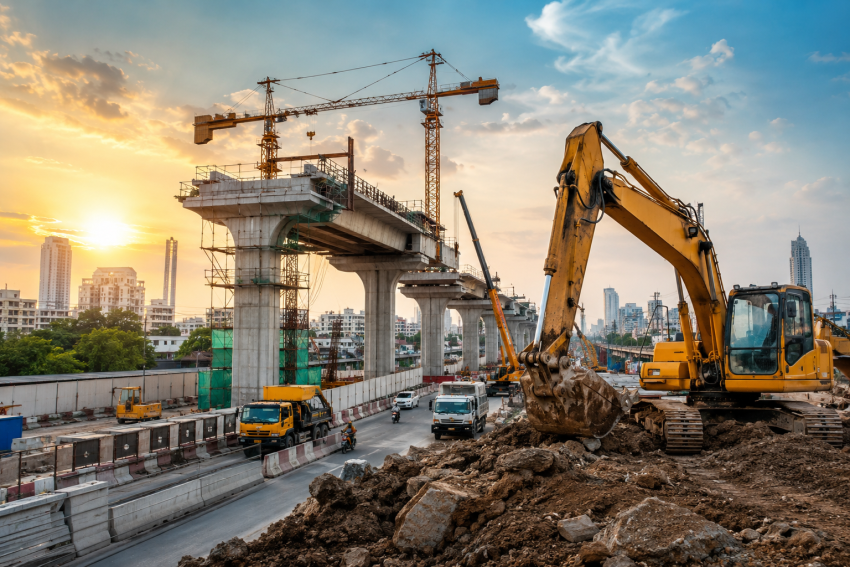
Maintaining aggressive infrastructure spending
While core sectors like roads, railways, and defense infrastructure remain priorities, some capex rationalization is likely.
Industry Consolidation Begins
Stronger, well-capitalized companies withstand the pressure. Smaller contractors, however, face:
Liquidity crises
Reduced access to credit
Potential exits or acquisitions
This phase often leads to sector consolidation.
Worst-Case Scenario: Full Escalation
If tensions escalate into a broader conflict disrupting the Strait of Hormuz:
Oil prices could surge beyond $120–150 per barrel
Inflation could spike sharply in India
Interest rates may rise
Private sector capex could stall
In such a scenario, only government-backed infrastructure projects would sustain momentum, while private investments freeze.
Long-Term Impact: Structural Transformation (2–10 Years)
Crises of this nature often accelerate change rather than merely disrupt.
1. Energy Strategy Reset
India is likely to:
Diversify crude sourcing further
Expand strategic petroleum reserves
Accelerate investments in renewable energy
2. Infrastructure Evolution
Future infrastructure will increasingly prioritize:
Electrified transport systems
Railways over road logistics
Energy-efficient construction
Contract structures will also evolve, with stronger price escalation and risk-sharing mechanisms.
3. Rise of Asset-Light Models
One of the most significant shifts will be in how infrastructure assets are utilized.
Contractors, wary of volatility, will increasingly:
Avoid heavy capital expenditure
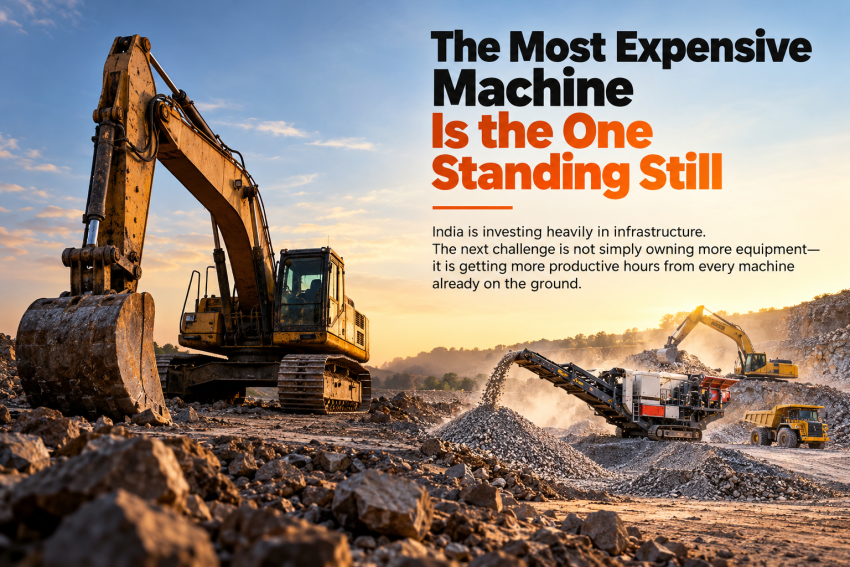
Shift toward equipment rentals and shared asset platforms
This could drive rapid growth in organized rental ecosystems.
What the Government Must Do
Immediate Actions
Release strategic oil reserves
Temporarily reduce fuel taxes
Enable cost escalation clauses in ongoing contracts
Medium-Term Measures
Secure long-term crude supply agreements
Expand energy storage capacity
Accelerate rail electrification
Long-Term Strategy
Reduce structural dependence on oil
Invest heavily in renewables, hydrogen, and storage technologies
What Contractors Must Do
Short-Term Survival
Renegotiate contracts wherever possible
Avoid aggressive bidding
Prioritize cash flow and liquidity
Operational Efficiency
Optimize fuel usage through technology
Shift toward leasing rather than owning equipment
Strategic Shift
The future lies in flexibility and asset-light operations. Contractors who adapt to rental and shared infrastructure models will be better positioned to navigate volatility.
How This Will Play Out
The most probable scenario is not a prolonged war, but sustained volatility.
Oil prices remain elevated but manageable
Infrastructure growth slows but does not collapse
Strong players gain market share
Every such disruption follows a pattern:
it weakens the fragmented and strengthens the organized.
Conclusion: Crisis as a Catalyst
The Iran situation is not just a geopolitical event—it is a stress test for India’s economic resilience.
In the short term, it brings inflation, cost pressures, and uncertainty.
In the long term, it forces efficiency, innovation, and structural reform.
For India’s infrastructure sector, this could well be a defining moment—
one that separates those who adapt from those who struggle to survive.
Most Popular