Budget 2026–27: Why Infrastructure Will (Again) Do the Heavy Lifting for India’s Growth
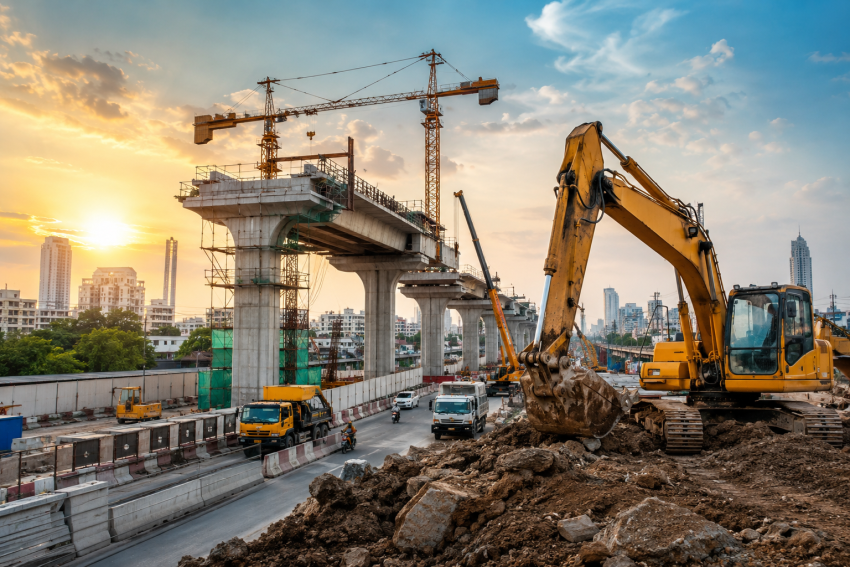
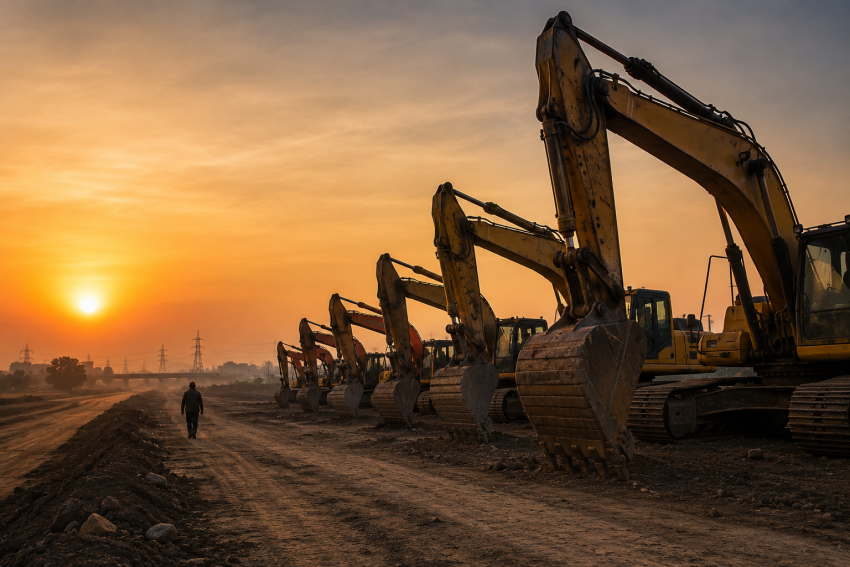
As we head into the Union Budget 2026–27, one thing feels fairly clear: infrastructure will remain the government’s most reliable growth lever.
After allocating a record ₹11.21 lakh crore in FY26, expectations are building around a 10–15% increase in infrastructure capex, potentially taking the number beyond ₹12–12.5 lakh crore. That’s not just a big headline figure—it’s a statement of intent.
Infrastructure Is No Longer “Spend” — It’s Strategy
Over the last few years, India has quietly shifted how it looks at infrastructure. It’s no longer just about pouring concrete or announcing new projects. It’s about:
Creating jobs at scale
Making logistics cheaper and faster
Giving private investors the confidence to invest alongside the government
With private capex still selective, public infrastructure spending has become the backbone of growth.
What Budget 2026–27 Is Likely to Get Right
1. Bigger Capex, Better Outcomes
The focus this time is expected to be less about how much is spent and more about how effectively it is deployed. Faster execution, fewer stalled projects, and prioritizing assets that actually get used.
2. States Will Play a Larger Role
The interest-free loan support to states (₹1.5 lakh crore last year) is likely to be expanded. States that can move quickly on land, approvals, and execution will get rewarded. This is a practical shift—projects get built faster when decision-making is closer to the ground.
3. Transport & Logistics: Efficiency Over Expansion
Yes, highways and railways will continue to see strong funding. But the real push is now towards better connectivity, not just more kilometers:
Multimodal logistics
Port-rail-road integration
Urban mobility that actually reduces congestion
The goal is simple: move goods and people faster, at lower cost.
Green and Digital Are Now Core Infrastructure
What’s changing noticeably is how green and digital infrastructure are being treated.
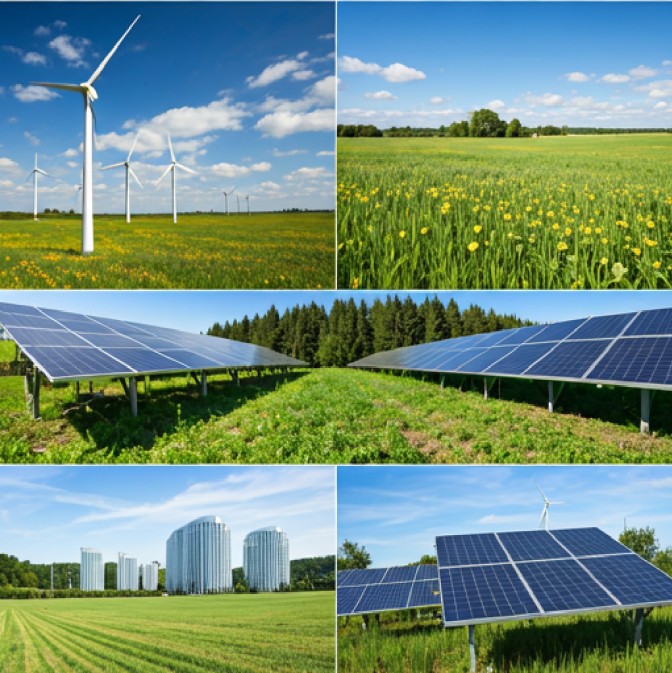
EV charging, battery storage, green hydrogen, data centers, AI infrastructure—these are no longer “future themes.” They are now part of mainstream capex planning. Expect Budget 2026–27 to move from pilots to scale in these areas.
Asset Monetization: Quietly Becoming the Smart Funding Tool
The second phase of asset monetization could be a big one—possibly targeting ₹10 trillion. The idea is sensible: unlock value from mature assets and use that money to build new ones, without stretching the fiscal deficit.
It also brings in private capital and better asset discipline—both long overdue.
What This Means for Businesses and Investors
For industry, this creates visibility:
EPC and construction companies get longer order books
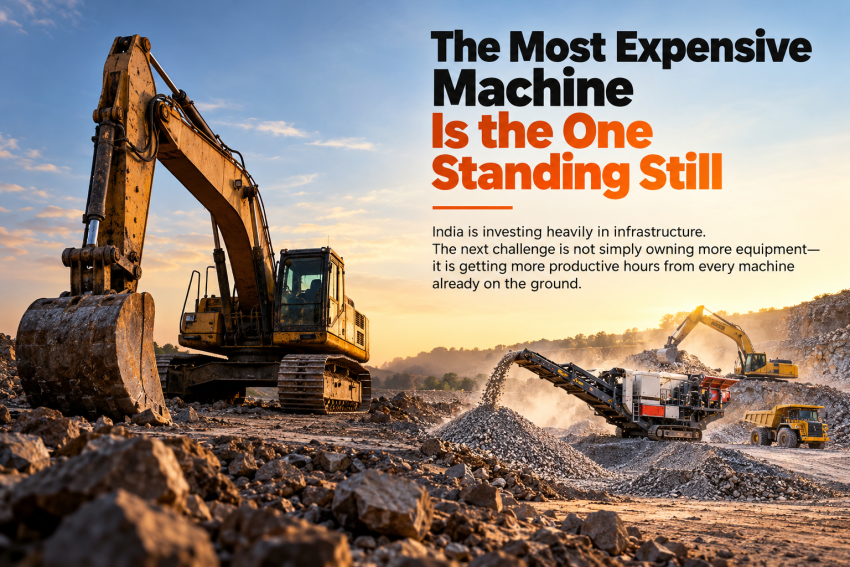
Equipment, rentals, and used-asset markets stay busy
Infrastructure AIFs, InvITs, and long-term funds see stronger deal flow
Lenders get relatively safer, asset-backed opportunities
In short, infrastructure remains one of the clearest multi-year growth stories in the Indian economy.
The Bigger Picture
Budget 2026–27 is unlikely to chase short-term applause. Instead, it is expected to double down on a capex-led, productivity-focused growth model.
Infrastructure today is not just about roads and railways. It’s about confidence, competitiveness, and capacity building.
And once again, it looks set to carry a large part of India’s growth story on its shoulders.
Most Popular