India’s Infrastructure Sector: Post-Monsoon Outlook and Emerging Challenges
India’s Infrastructure Sector: Post-Monsoon Outlook and Emerging Challenges
As the monsoon season recedes, India’s infrastructure sector enters a crucial execution window. The months between October and March traditionally account for the highest project activity, with construction companies ramping up work on roads, railways, metros, irrigation, and urban infrastructure. This year, however, the post-monsoon landscape is marked by a mix of opportunities and constraints that will shape the pace of growth.
Order Flow and Execution Momentum
Government agencies, led by the National Highways Authority of India (NHAI), state public works departments, and metro corporations, have accelerated tendering activity in recent weeks. Multiple EPC (Engineering, Procurement, Construction) and HAM (Hybrid Annuity Model) contracts were finalized in August–September to ensure execution can begin once weather conditions stabilize. Industry estimates suggest that order inflows in Q3 FY25 may rise by 10–12% compared to last year, particularly in road and water infrastructure.
Financing and Cash Flow Pressures
While order books remain healthy, financing constraints continue to weigh on contractors. Banks are cautious on fresh exposure, and rising working capital cycles have led to tightening liquidity for mid-sized players. Contractors report higher receivable days from government authorities, which directly impacts cash flow management. Delays in payments also result in equipment lying idle at project sites, inflating costs and reducing profitability.
Impact of GST and Policy Changes
The recent GST Council decisions, effective post 22nd September, are expected to streamline compliance for EPC contractors. While no sharp change in rates was announced for core infra inputs, procedural simplifications around tax credit utilization and e-invoicing thresholds could improve transparency. However, contractors remain concerned about cost pressures due to elevated input prices and the cascading effect of compliance-related delays.
Project Delays and Idling Risks
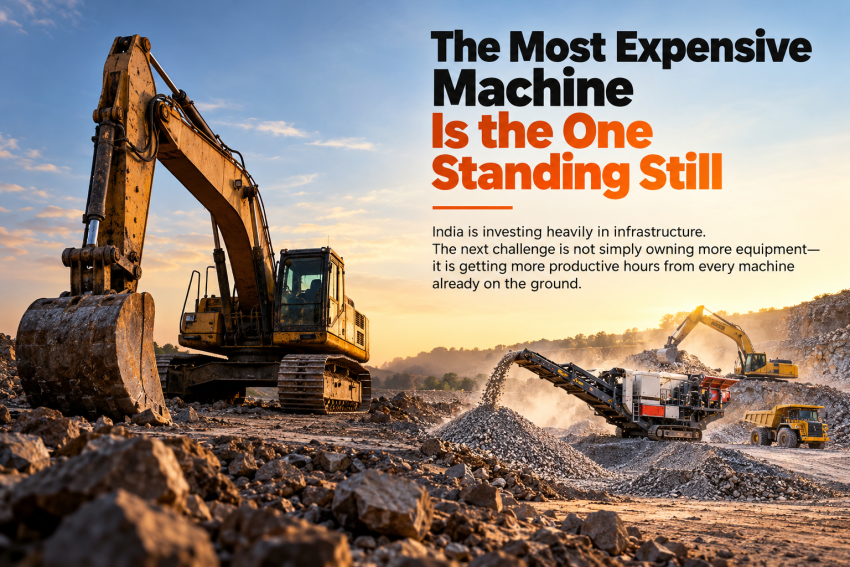
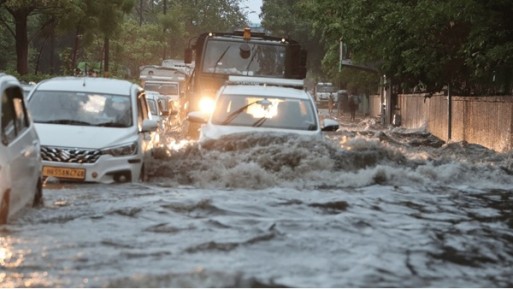
Post-monsoon mobilization is typically strong, but this year is complicated by a backlog of delayed projects from the past two quarters. Land acquisition bottlenecks, utility shifting, and environmental clearances continue to hinder timelines. Equipment idling has been reported in several large-scale projects, particularly in states where rainfall lingered longer than expected. Idle machinery not only raises operating costs but also weakens subcontractor confidence.
Private Capital and New Financing Models
The government remains committed to infrastructure-led growth, but private investment is critical for sustaining momentum. Infrastructure Investment Trusts (InvITs), green bonds, and blended financing models are gaining traction as developers seek alternatives to traditional bank lending. In the near term, EPC contractors will need innovative financing solutions, including equipment leasing and vendor financing, to address liquidity stress.
Outlook
The next six months will be decisive. If tendering momentum continues and financing bottlenecks ease, India’s infrastructure sector could record double-digit growth in execution this fiscal year. However, cash flow pressures, payment delays, and site-level disruptions remain real risks. A sharper focus on working capital discipline, technology-enabled project monitoring, and policy support in tax and finance will be essential to convert strong order pipelines into on-ground progress.
Most Popular